E-mail:
exexportmachinery@126.com
Tel:
+86-15256547590
 English
 français
 русский
 Español
 العربية
 Pilipino
 Polska
 shqiptar
 hrvatski
 საქართველო
 Lietuva


In the world of printing press machines and packaging, the visual appeal of a product can significantly influence consumer choice. This makes foil stamping a popular technique for adding that luxurious and eye-catching finish to products. But when it comes to foil stamping, you generally have two options: hot foil stamping and cold foil stamping. Each technique has its own merits, suitable applications, and considerations that can either drive costs up or make them cost-effective. Understanding these differences provides an invaluable insight that can influence your choice between specialized equipment like hot foil stamping machines or automated foil applicators. This guide highlights the key differences between these two popular techniques to help decide which might better align with your objectives, be it smaller volumes with intricate designs or larger outputs for mass production.
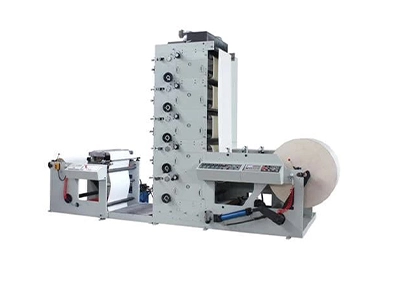
The stamping method on different machines, such as a silk screen printing machine or a label maker for jars, can vary significantly. Hot foil stamping involves the application of heated dies to a foil, pressing it onto the substrate using a combination of heat and pressure. This method is well-suited for thick, flat surfaces and results in deep, embossed impressions. Conversely, cold foil stamping applies an adhesive to the substrate, follows up with application of the foil and uses UV light to set the design. This process allows quick, inline execution, ideal for flexible substrates and high-speed flexographic printers.
| Technique | Process | Suitable For |
|---|---|---|
| Hot Foil Stamping | Heat and pressure with dies | Thick, flat surfaces |
| Cold Foil Stamping | Adhesive and UV curing | Flexible substrates |
Hot foil stamping might require a more complex setup, often resulting in increased wear on the stamping machine due to high temperatures. It needs a specific set of metals or thicker materials that can withstand both the heat and the pressure. On the other hand, cold foil stamping is compatible with heat-sensitive materials like laminated surfaces or substrates used in corrugated box making machines. This versatility often makes it a go-to choice for quick turnaround projects or when dealing with heat-sensitive materials.
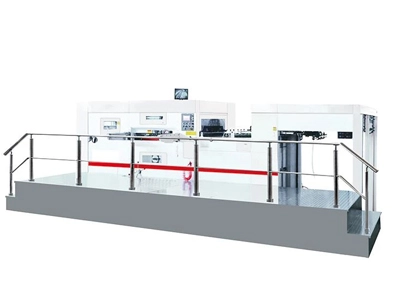
The difference in final appearance between hot and cold foil techniques can dictate their usage. Hot foil stamping is known for its superior crispness and depth, offering a tactile finish that cold foil might not achieve as effectively. This makes it highly desirable for luxury packaging and boutique labels like those often created with a die cutting and embossing machine. Cold foil stamping, however, tends to offer brighter finishes, better suited when aesthetics are crucial, but speed is a priority—making it ideal for mass production through automated packaging solutions.

When considering cost, hot foil stamping generally leads to increased operational expenses due to its energy-intensive nature and the need for high-quality dies. While the initial cost for hot foil stamping equipment might be significant, in the long run, the durability and premium finishes can justify the expenditure. Cold foil stamping, although often more cost-effective due to its faster setup and reduced wear on machinery, may demand consistent quality checks to prevent defects, impacting the costs related to materials like foil and adhesives used.
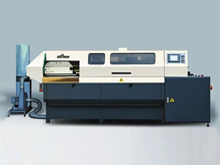
Ease of implementation is another crucial consideration influenced by factors like the type of machine used—be it a screen printing machine or a book making machine. Hot foil stamping often requires meticulous setup and trial, making it less user-friendly for beginners. Cold foil techniques, however, can be integrated into existing machines like flexo printing presses, offering easier implementation for operators with existing inline setup capabilities—ultimately speeding up production cycles.
Deciding between hot and cold foil stamping depends largely on the intended application, material and substrate types, production speed, and desired finish. Each has its strengths and can be cost-effective based on circumstances specific to your operation, be it mass production with corrugated box manufacturing machine suppliers or specialized small-batch runs with a manual die cutter.
In the evolving landscape of printing and packaging, every detail counts - from material to finish, influencing customer perception and market presence. Hot and cold foil stamping offer unique advantages and challenges that can be strategically used based on intended outcomes and budgetary boundaries. By understanding their distinctions and complementarities, businesses—from small-scale label makers for small business to large corrugated carton box making machine operators—can make informed decisions tailored to their production needs and goals, ensuring not only a competitive edge in aesthetics but also in operation efficiency.
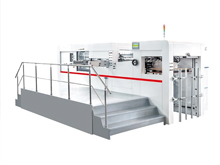
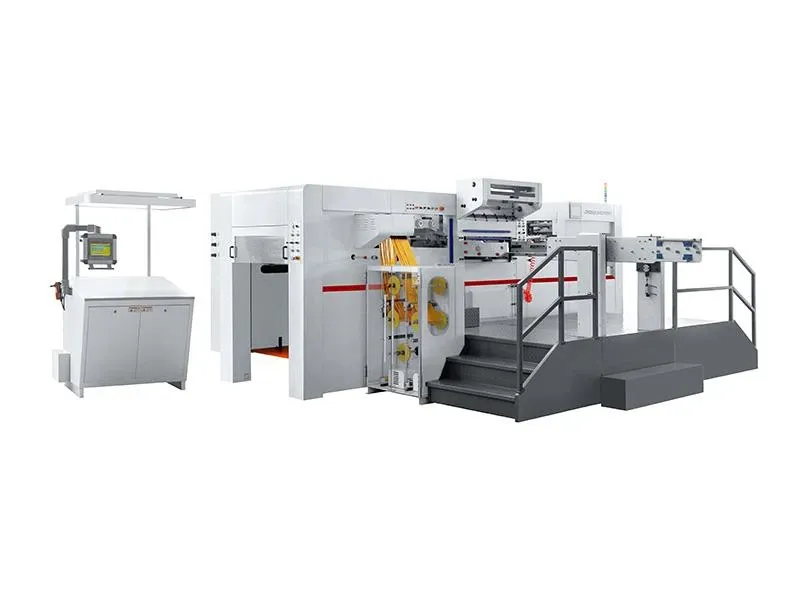
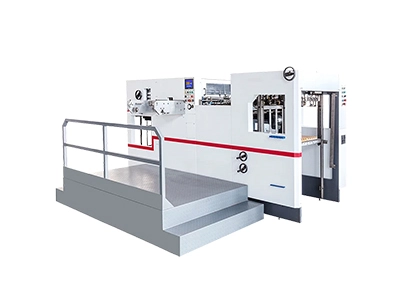
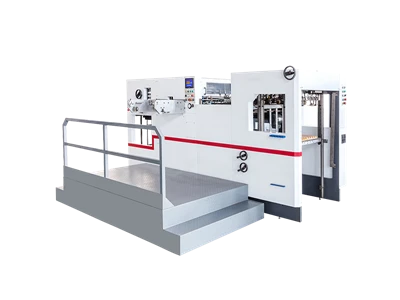
EX.EXPORT specializes in manufacturing high-quality hot foil stamping machines with a proven track record in global markets. We offer:
Reliable models (EX-1050FH, Libao Series TYMK) tailored for various production needs
Custom OEM service with branding and tech support
ISO9001 and CE-certified machinery
Comprehensive export documentation and global logistics support with on-time delivery rate of 100%
Responsive customer service for international clients
Whether you are a print factory, OEM buyer, or distributor, EX.EXPORT is committed to delivering high-performance, efficient, and long-lasting machinery.

Hello, I am Valerie Xu. With over a decade in the global printing and packaging industry, I connect clients with top-tier Chinese manufacturing solutions. My expertise allows me to source, customize, and deliver high-performance equipment worldwide.
I turn your machinery investment into a strategic advantage by identifying the best equipment for your needs and budget. My services include:
✅ Pre-Sales: Consultations, factory audits, and equipment matching.
✅ After-Sales: Installation, training, maintenance, and spare parts.
I streamline purchasing, mitigate risks, and optimize costs, ensuring a trusted partnership for success. Let’s elevate your operations with precision-engineered solutions.