E-mail:
exexportmachinery@126.com
Tel:
+86-15256547590
 English
 français
 русский
 Español
 العربية
 Pilipino
 Polska
 shqiptar
 hrvatski
 საქართველო
 Lietuva
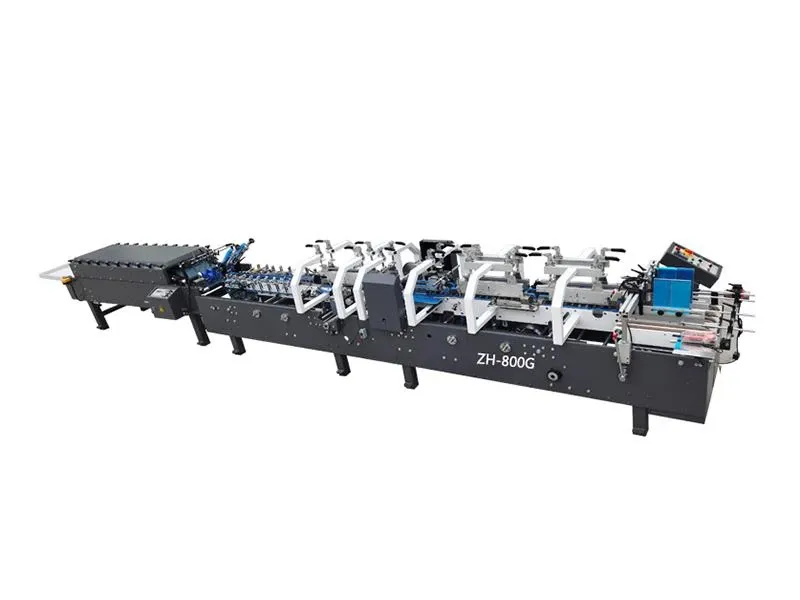
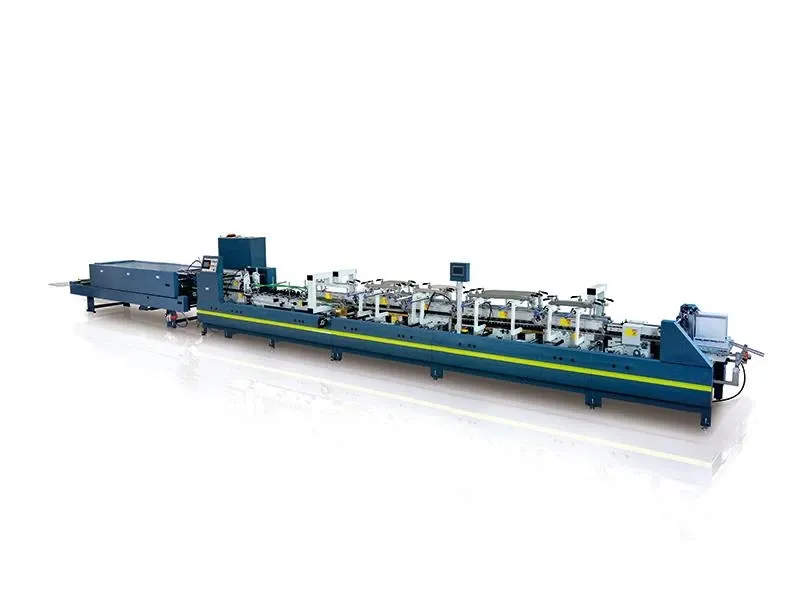
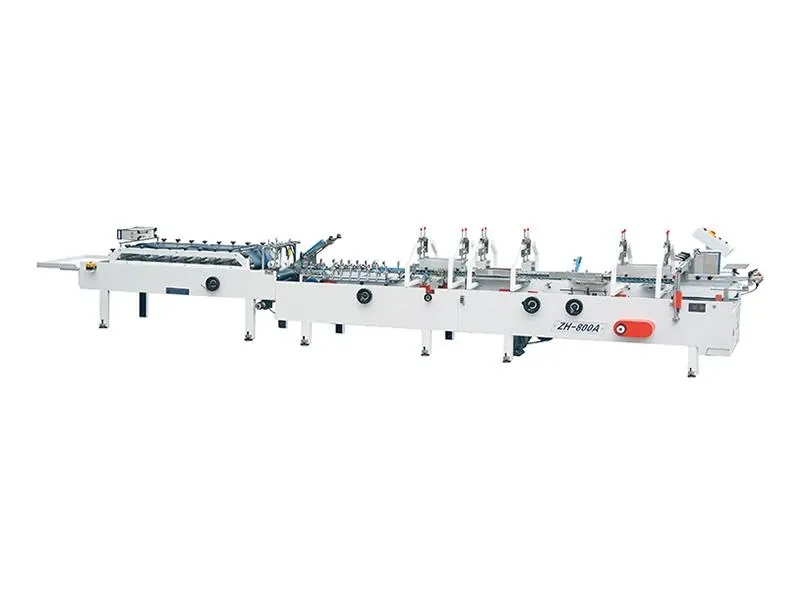
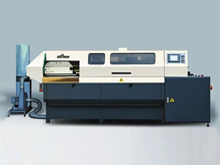
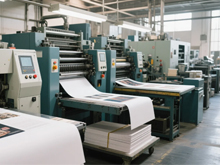
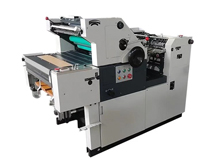
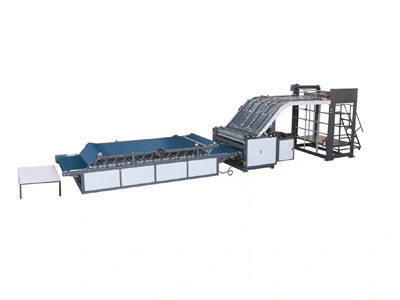
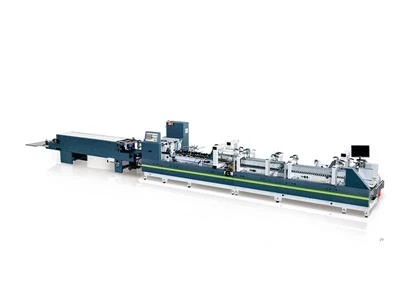
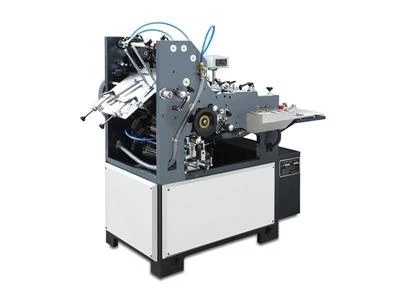
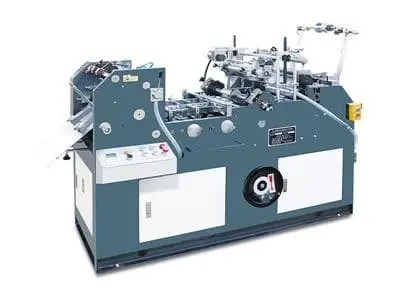
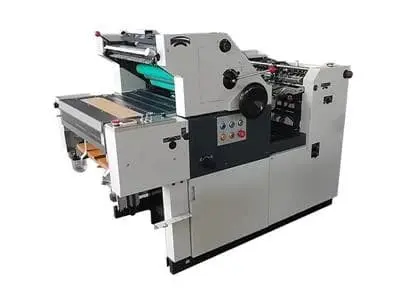
EX.Export supplies automatic window patching machines for applying transparent film to paper boxes, folding cartons and envelopes. Our range includes dedicated machines for envelope windows, standard packaging boxes and large-format paperboard blanks, with available production outputs of up to 18,000 pieces per hour.
These window pasting machines complete blank feeding, positioning, gluing, film cutting, patching and delivery in a continuous process. Different models are available for paper weights from 80 to 1,000 g/m², blank sizes up to 650 × 1,080 mm and window sizes up to 350 × 450 mm.
Send us your carton or envelope sample, paper weight, blank dimensions, window size, film thickness and required output. EX.Export will help you compare the available models and select a suitable window patching machine for your production requirements.
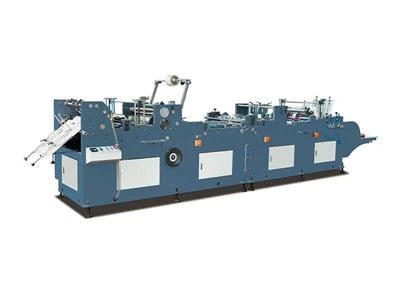
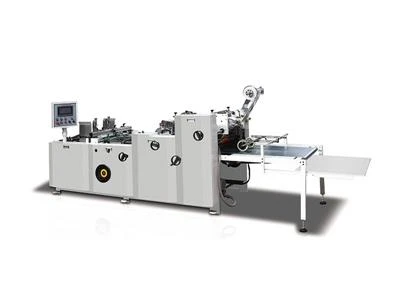
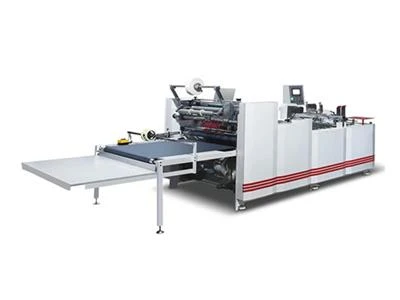
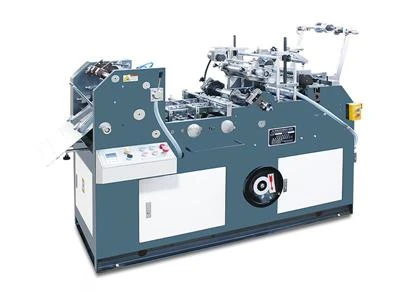
| Model | Main Application | Paper Weight | Maximum Blank Size | Window Size | Output |
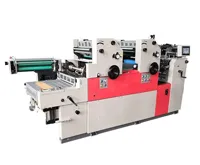
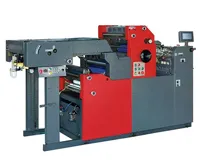
| ZF-480D | Window envelopes with folding and forming functions | 80–200 g/m² | Wallet envelope size up to 250 × 160 mm | 30 × 55–130 × 180 mm | 4,000–16,000 pcs/hour |
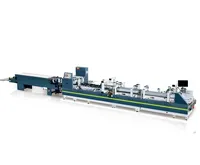
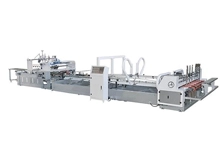
| TC-650 | Standard paper boxes and folding cartons | 200–1,000 g/m² | 560 × 650 mm | 30 × 50–300 × 350 mm | Up to 16,000 pcs/hour |
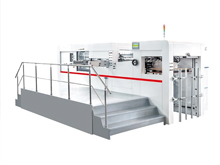
| TC-1080 | Large-format cartons and paper boxes | 200–1,000 g/m² | 650 × 1,080 mm | 30 × 50–350 × 450 mm | Up to 10,000 pcs/hour |
| TM-390 | Paper envelope window patching | 80–200 g/m² | 350 × 380 mm | 30 × 55–130 × 150 mm | 5,000–18,000 pcs/hour |
Actual production output depends on the blank size, paper characteristics, window dimensions, film specification and operating conditions. Contact EX.Export to confirm whether your complete product range falls within the technical limits of the selected machine.
A window patching machine completes several coordinated processes to position and bond transparent film over a die-cut opening.
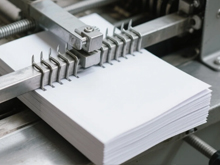
Pre-cut carton or envelope blanks are separated and fed into the machine. Stable feeding is important for preventing overlapping blanks, missed feeding and production interruptions.
The blank is aligned before it reaches the gluing station. Accurate positioning ensures that the adhesive and film correspond with the die-cut window.
Adhesive is applied around the window opening. The glue area must be wide enough to secure the film without allowing excessive adhesive to enter the visible window.
Transparent film is unwound and cut according to the required window dimensions. Film thickness and material should be confirmed before the machine configuration is finalized.
The cut film is positioned over the window and bonded to the glued area. Correct alignment helps maintain a consistent visible border around the window.
The patched blanks are delivered for collection or transferred to the next production stage. Paper box blanks may proceed to folder gluing, while envelope blanks may require folding, side gluing or flap processing.
The window opening is generally die-cut before the blank enters the window patching machine. If your packaging requires additional cutting, creasing or special-shaped window functions, these requirements should be confirmed separately.
Automatic feeding supports continuous production and reduces the repetitive manual handling of individual carton or envelope blanks. The feeding range varies by model, so the minimum and maximum blank dimensions should be checked carefully.
The gluing system applies adhesive around the die-cut opening before the film is positioned. Consistent glue placement helps reduce loose film edges, visible glue and misaligned patches.
Window film is cut according to the required length and positioned over the opening. The TC-650 and TC-1080 support film thicknesses from 0.05 to 0.25 mm.
The product range covers lightweight envelope paper as well as heavier paperboard for folding cartons. Available applications include address-window envelopes, tissue boxes, cosmetic cartons, gift boxes and other retail packaging.
EX.Export offers machines with rated outputs ranging from 4,000 to 18,000 pieces per hour. Buyers can compare the required output with the size and material limits of each model rather than selecting a machine by maximum speed alone.
Machine videos allow buyers to review the feeding, gluing, film cutting, patching and delivery processes before requesting a quotation. Actual configuration may vary according to the model and packaging application.
For more information about transparent-window packaging, read our guide to window patching applications for boxes and envelopes.
An automatic window patching machine combines several production stages into one continuous process. Compared with manually applying individual film patches, automated equipment can provide more consistent film positioning, glue coverage and production output.
Continuous feeding, gluing, film cutting and patching reduce the amount of manual handling required for each carton or envelope blank. This is particularly valuable for repeated production orders and larger batches.
Controlled blank and film positioning helps maintain a uniform window border across the production run. Consistency is important for packaging appearance and for preventing the film from interfering with later folding and gluing.
Correct machine adjustment can reduce film overuse, excessive glue application and rejected blanks caused by poor positioning. The blank size, window dimensions and film specification should be set according to the actual product.
Transparent windows allow consumers to see the product while it remains inside the packaging. Window patching is commonly used for tissue boxes, food cartons, cosmetics, gifts, toys and address-window envelopes.
Window patching normally takes place after printing and die cutting but before folder gluing or envelope forming. The machine can therefore form part of a wider post-press packaging production line.
Choosing the correct window pasting machine requires more than comparing production speed. Buyers should first confirm the characteristics of the finished carton or envelope.
Determine whether the machine will process folding cartons, large paper boxes, pre-cut envelope blanks or complete window envelopes. Carton and envelope applications use different paper weights, feeding ranges and production structures.
Provide the complete range of blanks you plan to process. Both the smallest and largest blank must fall within the selected machine’s feeding range.
The TM-390 and ZF-480D are designed for lighter envelope papers, while the TC-650 and TC-1080 support heavier paperboard from 200 to 1,000 g/m². Specialty or coated materials should be confirmed before purchasing.
Provide the minimum and maximum window sizes, together with the window’s position on the blank. A dimensioned drawing or physical sample is preferable to a general product description.
Confirm the transparent film material, thickness and required patch size. The film must be suitable for the packaging application and the machine’s feeding and cutting system.
Rated output should be compared with the actual blank size and window complexity. Larger blanks, irregular windows or difficult materials may require a lower operating speed.
Confirm whether the blank has one standard window, multiple windows or an irregular shape. Special-shaped windows may require additional testing or a different equipment configuration.
Check the connected load, voltage, frequency, machine dimensions and available installation space. Enough room should be reserved for blank loading, finished-product collection and routine maintenance.
Window patching machines typically operate at 30-200 boxes per minute, depending on model and application complexity. High-speed models with automated feeding and precision systems can reach up to 300 units/min for standardized tasks, while intricate designs may require slower speeds for accuracy.
Yes, automatic window patching machines can handle various window shapes and sizes. They use flexographic plate modeling and precise cutting mechanisms to adapt to different applications, such as gift boxes, toy boxes, and envelopes, ensuring high accuracy and efficiency. Some models also support multifunctional operations like V-cutting and embossing, further enhancing versatility
Yes, regular maintenance includes cleaning adhesive residue, lubricating moving parts, and inspecting cutting blades and sensors. Calibration ensures precision, and worn components like rollers or plates should be replaced per our guidelines to maintain optimal performance and longevity.
To contact EX.Export, use WhatsApp:+8615256547590 or email: exexportmachinery@126.com; Visit our official website: www.exexportmachinery.com for verified contact details. Include specifics about Window Patching Machine needs in inquiries.
Carton window patching machines normally process heavier paperboard and larger blanks, while envelope window patching machines handle thinner paper and smaller address windows. The feeding range, paper weight and film application structure differ between the two applications.
Typical applications include tissue boxes, cosmetic cartons, gift boxes, food packaging, toy boxes, folding cartons, address-window envelopes and other paper packaging with transparent display windows.
The TC-1080 processes paper blanks up to 650 × 1,080 mm and windows up to 350 × 450 mm. Buyers should confirm both the minimum and maximum sizes of their packaging range.
The TC-650 and TC-1080 process film thicknesses from 0.05 to 0.25 mm. Film requirements for the envelope models should be confirmed according to the selected machine and finished product.
The price depends on the model, blank size, paper weight, film specification, production speed and required functions. Send EX.Export your packaging sample and technical requirements to receive an accurate quotation.