E-mail:
exexportmachinery@126.com
Tel:
+86-15256547590
 English
 français
 русский
 Español
 العربية
 Pilipino
 Polska
 shqiptar
 hrvatski
 საქართველო
 Lietuva

As commercial print shops scale their operations, automating post-press processes becomes essential for staying competitive. One such crucial process is book binding—and investing in the right automatic binding machine can significantly improve production speed, consistency, and quality.
Whether you specialize in brochures, catalogs, manuals, or booklets, the right binding equipment can be the backbone of your production line. In this guide, we’ll walk you through the benefits of automation, compare glue-binding methods, highlight recommended fully automatic book binding machine models, and show you how to ensure safety compliance and system integration.
Modern commercial print shops handle thousands of print jobs daily. Relying on manual binding methods can slow production, increase labor costs, and lead to inconsistent output. By contrast, an automatic perfect binding machine offers:
Higher throughput: Bind hundreds of books per hour with minimal human intervention.
Precision and uniformity: Every booklet, catalog, or manual looks professionally finished.
Labor savings: Reduce reliance on skilled manual operators.
Better glue application: Automatic machines ensure consistent EVA or PUR glue dispensing.
Faster setup and changeover times for varying job sizes and specifications.
These advantages not only improve operational efficiency but also allow you to take on larger, more complex orders confidently.
Manual glue binding still has its place in small-scale or artisanal operations. However, for commercial print shops handling high volumes, auto feed glue binding is far more practical.
| Feature | Manual Binding | Automatic Binding |
|---|---|---|
| Speed | 50–100 books/hour | 200–1700 books/hour |
| Operator Skill Requirement | High | Low |
| Glue Type | EVA or PUR (Manual fill) | Automated & precise dispensing |
| Setup Time | Longer | Quick job presets available |
| Long-Term Cost | Higher labor cost | Higher ROI over time |
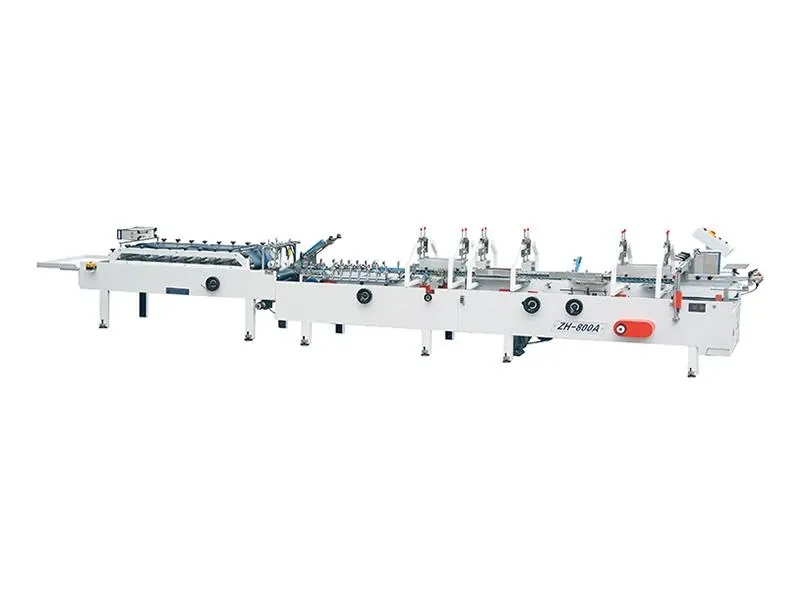
| Common Machines | Hot-melt glue binders | Folder gluers, inline systems |
If you’re planning to scale up, an automatic system—though costlier upfront—will pay for itself in productivity and reliability.
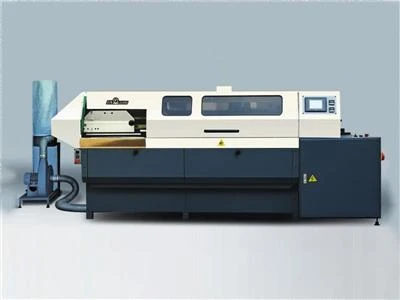
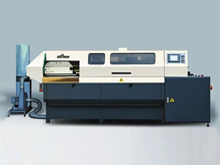
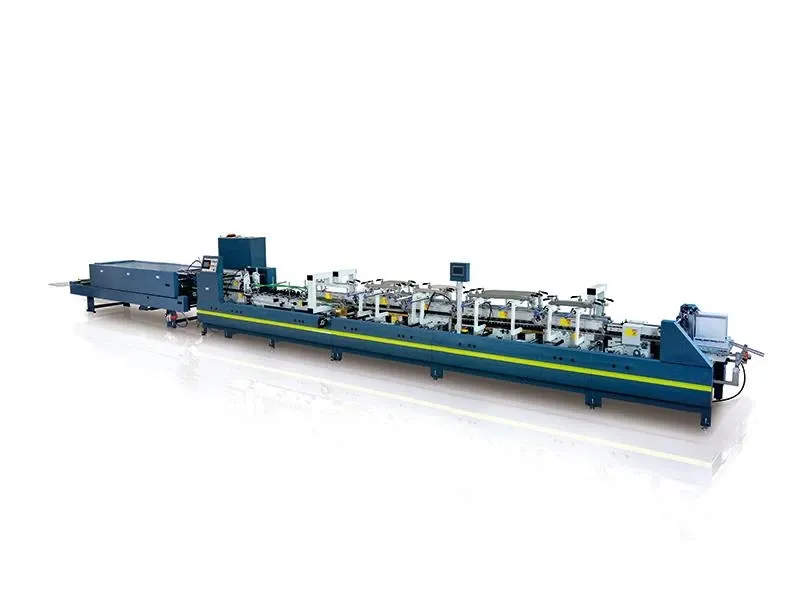
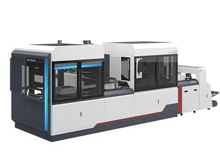
When selecting a machine, it's crucial to match model features with your core output types. Below are a few popular automatic binding machines suited for commercial printing:
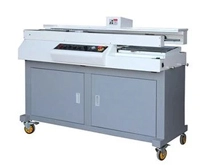
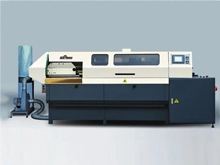
Best for: Brochures and catalogs
Speed: 250–300 books/hour (auto)
Max size: 420mm length, 60mm thickness
Glue: EVA-compatible
Power: 1.8kW
Certifications: CE-certified
Best for: Thick booklets and manuals
Speed: 480–600 books/hour
Max size: 440×300 mm
Milling Cutter: Solar knife for stronger binding
Side Glue: Yes
Eye detection: Ensures precise clamping
Best for: Large batch production
Speed: 1700 books/hour
Clamps: 3 (for high output)
Max size: 450×300mm
Power: 15kW
Perfect for: Brochures, magazines, and catalogs with high demand
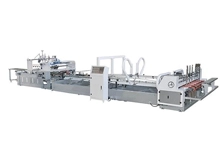
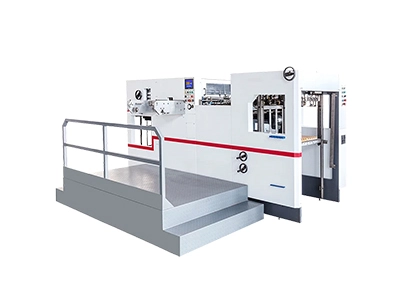
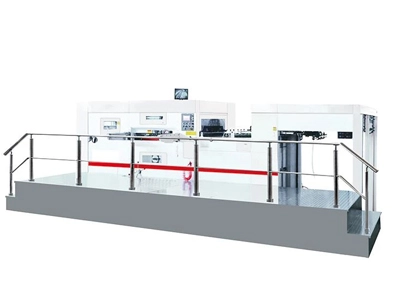
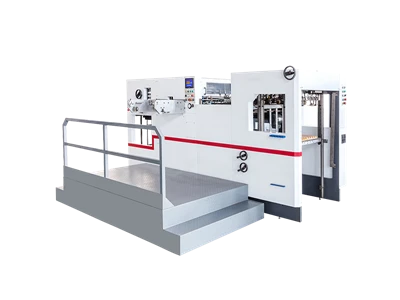
These models integrate well with automatic die cutters and folder gluer machines—making them ideal for complete post-press automation.
An automatic perfect binding machine is not a standalone unit—it should fit seamlessly into your broader finishing workflow. Here’s how:
Input alignment: Ensure printed stacks from your press are compatible in size and thickness with the binding system.
Glue compatibility: Choose between EVA glue binders (fast setting) or PUR (more durable, flexible).
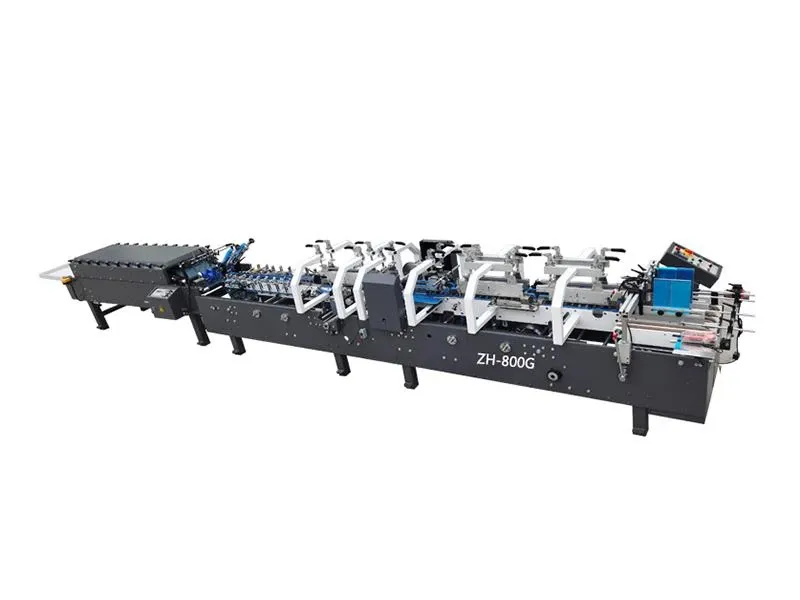
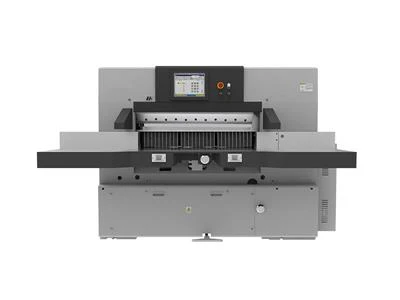
Automation flow: Link your binder to your folder gluer, automatic die cutter, and trimmer for end-to-end production.
Staff training: Even automated systems require trained operators for monitoring, maintenance, and error handling.
Maintenance: Implement scheduled maintenance routines to avoid glue buildup or cutter wear.
Investing in systems with auto diagnostics and modular design can significantly ease integration challenges.
When importing post-press equipment, especially from overseas, compliance matters. Look for machines that meet these global standards:
CE Certification: Mandatory for European markets, ensuring safety and electromagnetic compliance.
ISO 9001: Shows quality management in the production process.
UL or CSA (for North America): Certifies electrical safety for industrial machines.
Dust control & thermal regulation: Machines with enclosed glue systems help reduce exposure to harmful fumes.
Machines like the EX-860E and JBT50-4D meet CE certification requirements and are designed for international print shops looking for safe, compliant solutions.
Gone are the days when Chinese machines were considered substandard. Today’s top-tier Chinese post press equipment combines:
Competitive pricing: Save up to 30–50% compared to European brands
Advanced automation: High-speed feeding, auto glue control, and real-time diagnostics
Customization: Models tailored to meet diverse packaging and binding needs
Global support: Many manufacturers now offer multilingual service, remote training, and international warranty
With vendors like EX.Export offering CE-certified, high-performance printing and packaging equipment for less, it’s no wonder commercial printers around the world are turning to Chinese suppliers for automatic binding machines, folder gluers, and die cutters. Contact us today for expert advice, product specs, and personalized recommendations. We’re here to streamline your print finishing workflow with dependable, high-performance machines.

Hello, I am Valerie Xu. With over a decade in the global printing and packaging industry, I connect clients with top-tier Chinese manufacturing solutions. My expertise allows me to source, customize, and deliver high-performance equipment worldwide.
I turn your machinery investment into a strategic advantage by identifying the best equipment for your needs and budget. My services include:
✅ Pre-Sales: Consultations, factory audits, and equipment matching.
✅ After-Sales: Installation, training, maintenance, and spare parts.
I streamline purchasing, mitigate risks, and optimize costs, ensuring a trusted partnership for success. Let’s elevate your operations with precision-engineered solutions.