E-mail:
exexportmachinery@126.com
Tel:
+86-15256547590
 English
 français
 русский
 Español
 العربية
 Pilipino
 Polska
 shqiptar
 hrvatski
 საქართველო
 Lietuva
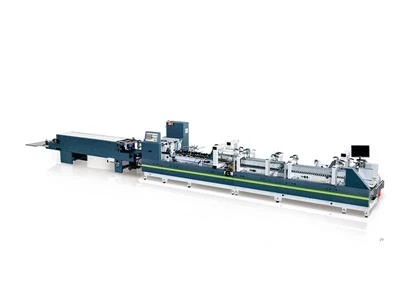
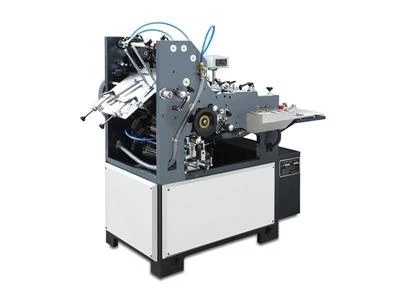
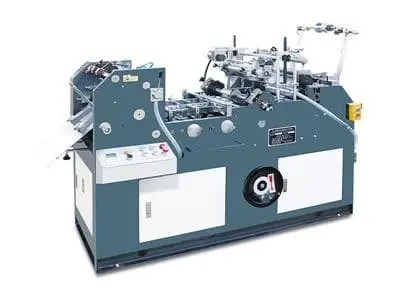
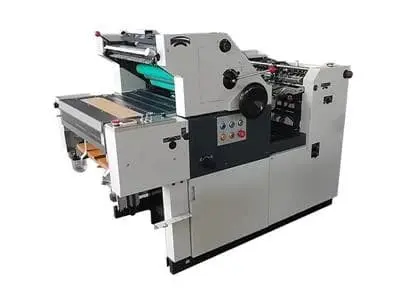
EX.EXPORT supplies automatic envelope making machines for producing pocket envelopes, wallet envelopes, red pockets, medicine bags and other paper envelope formats. Our machines support paper weights from 38 to 200 g/m², with available production speeds of up to 22,000 pieces per hour.
This range includes automatic paper envelope making machines for folding, side gluing, flap gumming, peel-and-seal tape application and other production requirements. Compare the models below or send us your envelope size, paper weight, sealing method and required output for a suitable machine recommendation.
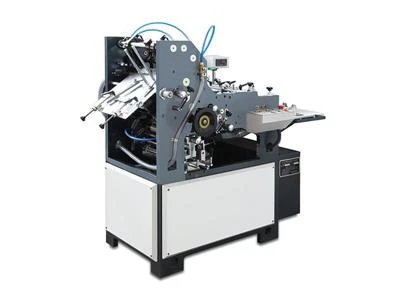
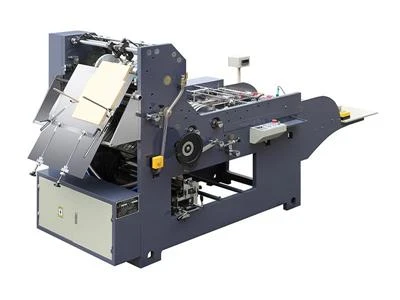
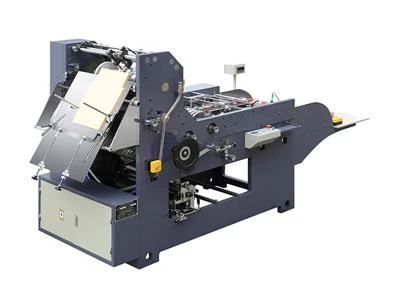
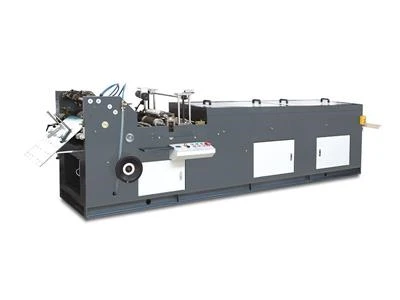
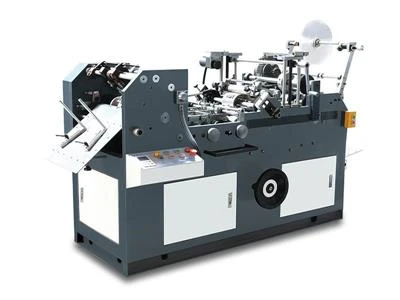
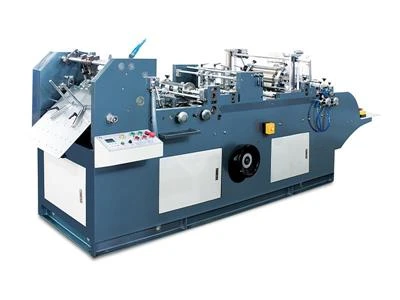
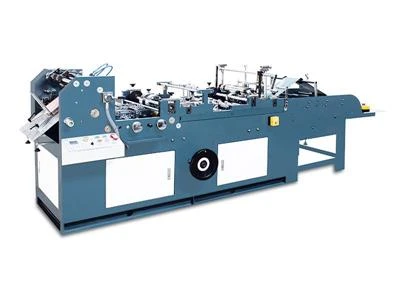
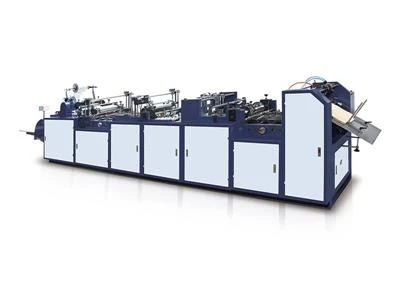
| Model | Main Application | Paper Weight | Size Range | Output |
| HP-250 | Small pocket envelopes, red pockets, medicine bags and chopstick bags | 50–200 g/m² | 30 × 50–120 × 250 mm | 5,000–22,000 pcs/hour |
| HP-250B | Large red pockets and paper envelope bags | 60–150 g/m² | 100 × 110–260 × 400 mm | 4,000–10,000 pcs/hour |
| HP-250D | Standard and large pocket envelopes | 38–200 g/m² | 50 × 70–180 × 300 mm | 4,000–12,000 pcs/hour |
| TJ-392 | Self-seal envelope flap gumming | 60–200 g/m² | Blank size up to 390 × 490 mm | 6,000–22,000 pcs/hour |
| TZ-230A | Double-sided tape and peel-and-seal application | According to configuration | 90 × 100–370 × 380 mm | 3,000–12,000 pcs/hour |
| ZF-380A | Wallet and packet envelopes | 50–200 g/m² | Up to 230 × 160 mm | 5,000–17,000 pcs/hour |
| ZF-380B | Eyeglasses lens bags and special paper bags | 100–200 g/m² | 80 × 80–160 × 230 mm | 3,000–8,000 pcs/hour |
| ZF-480 | Peel-and-seal wallet envelopes | 70–150 g/m² | 85 × 85–230 × 160 mm | 3,000–10,000 pcs/hour |
Actual production output may vary according to the paper specification, envelope size, glue, machine configuration and operating conditions. Contact EX.Export for a model recommendation based on your finished envelope samples or drawings.
An automatic envelope making machine converts pre-cut paper blanks into finished envelopes through a continuous sequence of feeding, positioning, folding, gluing and delivery.
The basic production process includes the following stages:
Paper blank feeding: Pre-cut paper blanks are separated and fed into the machine. Air-suction feeding helps maintain stable sheet separation during continuous operation.
Paper positioning: The blank is aligned before entering the folding section. Accurate positioning is important for maintaining consistent flap dimensions and glue placement.
Side and bottom folding: The machine folds the paper blank according to the required pocket or wallet envelope structure.
Glue application: Adhesive is applied to the required side seams or flap area. Separate equipment may be required for rewet gum, double-sided tape or peel-and-seal strips.
Counting and delivery: Finished envelopes are counted, grouped and delivered for collection, inspection or further processing.
For a broader explanation of the equipment used at each production stage, view our envelope making solution.
A reliable paper-feeding system is essential for reducing double-sheet feeding, misalignment and unplanned production stops. Available models use air-suction paper drawing and adjustable paper-positioning structures to support continuous operation.
The machines automate the main envelope-forming processes, including transverse folding, longitudinal folding and side gluing. This reduces repetitive manual work and improves consistency across larger production batches.
Different models cover a wide range of paper weights and finished envelope sizes. This enables buyers to select equipment according to their current products while considering possible future format requirements.
Automatic counting and delivery simplify the collection of finished envelopes and make it easier to organize output into production batches.
Depending on the selected configuration, the production line can support conventional glue, flap gumming, self-seal adhesive, double-sided tape or peel-and-seal strips.
To learn more about the operational benefits of automated envelope production, read our guide to the advantages of a fully automatic envelope making machine.
Choosing an envelope making machine starts with a clear understanding of the finished product. Before requesting a quotation, prepare the following information.
Confirm whether you need to produce pocket envelopes, wallet envelopes, red pockets, medicine bags, lens bags or another paper product. Different folding structures may require different machine models.
Provide the full range of finished sizes rather than only one sample. Check that both the smallest and largest envelopes fall within the machine’s technical limits.
Paper thickness affects feeding, folding and gluing performance. Specify the paper material and weight in g/m². If you use coated, laminated or specialty paper, this should also be confirmed before purchasing.
Select a machine according to your normal production volume, not only its maximum rated speed. Envelope size, paper characteristics and glue requirements can affect actual output.
Confirm whether the envelope requires standard side glue, rewet gum, self-seal adhesive, double-sided tape or a peel-and-seal strip. Some sealing functions are completed by dedicated equipment rather than the main envelope folding machine.
If the finished envelope includes a transparent address window, you may also need an envelope window patching machine. Confirm the window size, position and film specification when planning the production line.
Before installation, confirm the machine dimensions, connected load, voltage, frequency and available workshop space. Allow sufficient space for paper handling, finished-product collection and routine maintenance.
The price of an envelope making machine depends on its size range, production capacity, paper-feeding system, folding structure and sealing functions. A standard pocket envelope machine will not have the same configuration or cost as a wallet envelope machine equipped with peel-and-seal tape application.
The main factors affecting envelope making machine cost include:
Type and size of the finished envelope
Minimum and maximum paper blank dimensions
Paper material and paper weight
Required hourly production output
Pocket or wallet folding structure
Side-gluing and flap-sealing requirements
Rewet gum, self-seal or peel-and-seal functions
Window patching requirements
Electrical configuration for the destination country
Additional parts and production-line equipment
A single envelope making machine price list cannot accurately cover every production requirement. EX.Export prepares quotations according to the selected model and the buyer’s finished product specifications.
To receive an accurate automatic envelope making machine price, please provide:
Finished envelope samples or drawings
Minimum and maximum envelope sizes
Paper type and weight
Required production speed
Glue or sealing method
Destination country
Required voltage and frequency
Our team will review the information and recommend an appropriate machine configuration for quotation.
An automatic envelope making machine feeds pre-cut paper blanks and completes processes such as positioning, folding, side gluing, counting and delivery. Depending on the envelope design, additional equipment may be used for flap gumming, window patching or peel-and-seal tape application.
Available models can produce pocket envelopes, wallet envelopes, red pockets, medicine bags, eyeglasses lens bags, self-seal envelopes and peel-and-seal envelopes. The correct model depends on the finished size, paper weight, folding structure and sealing method.
The machines listed on this page offer rated outputs ranging from approximately 3,000 to 22,000 pieces per hour. Actual production speed depends on the machine model, envelope dimensions, paper characteristics and operating conditions.
Envelope making machine prices vary according to size range, production speed, feeding system and sealing configuration. Provide your envelope sample, paper specification and required output to receive an accurate quotation.
Many machines support an adjustable envelope size range. However, every model has specific minimum and maximum dimensions, so all planned product sizes should be checked before selecting the equipment.
The main envelope machine forms and glues the paper envelope. A separate window patching machine may be required to apply transparent film to the envelope blank before folding and gluing.
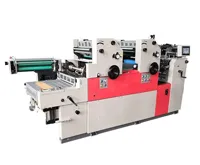
The HP-250 is suitable for small pocket envelopes, medicine bags, red pockets and similar products. It supports finished sizes from 30 × 50 mm to 120 × 250 mm and paper weights from 50 to 200 g/m².